Reading and writing have been my hobbies since a very young age. It is maintaining a diary that helped me develop the habit of writing. I also used to write about the trips I went for, about what I learnt, and about so much more.
I feel very content when I use colours to express my feeling and I feel the same when I paint a picture with words. When I start writing, I can’t stop! At some point, I also picked the habit of noting down even the smallest of ideas I got and I used to try to develop them.
One fine day, I got an idea and I noted it down as usual but unlike the other ones, this one just kept buzzing in my mind. Initially, I kept the idea to myself but when I had a few stories ready, I showed them to my parents. They read the first two extracts and encouraged me to write more which meant a lot to me.
The journey of writing a book demands a lot of hard work and can get tiring. But for me, it was more of an enjoyable activity: something I could not stop doing! I think it was such a great experience for me because I am passionate about writing and when you do something you are passionate about, you don’t feel tired or like giving up.
For advice regarding any ideas I’d get, I would rush to my mother. And if I needed help with my language, the first and last person I thought of was Mahua ma’am. She has been my teacher since I was a child, and she is the person I have dedicated my book to.
It had always been my dream to get my own book published and it finally came true. Honestly, I hadn’t imagined that my parents would get my book published, but when they read my stories and told me that they would, it felt like it was their dream more than mine!
I only wrote the book and edited it with my editor, but my parents worked day and night to make a book out of a few short stories. My parents made it possible to get this book published while I was occupied by my tenth grade exams.
They prioritised making my dream a reality while working as hard as they do. I would only come into the scene when something like the cover page was to be approved, or if something like the ‘About the Book’ section was to be written.
And this is how my first book ‘Home in the Hill’ became a reality. The book is about a young girl’s misadventures during her visits to her grandma’s home. From grandma’s love to humorous incidents, my book has it all. It will remind you of your own childhood days spent with your grandparents, cousins, and friends, with each story ending with a nugget of wisdom.
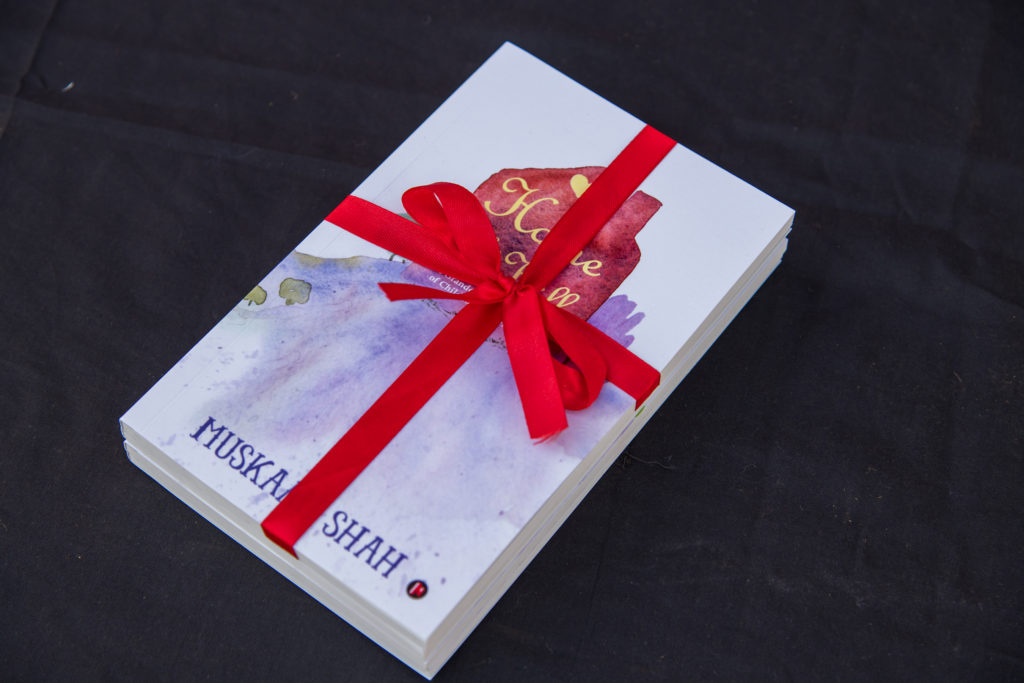
Writing a book of course, required hard work and determination. A few things that helped me were my habit of reading, the IGCSE English curriculum, and my constant attempts to improve. This is my first flight towards the world of literature and I hope to continue this journey to many more realms.
Written by Muskaan Shah

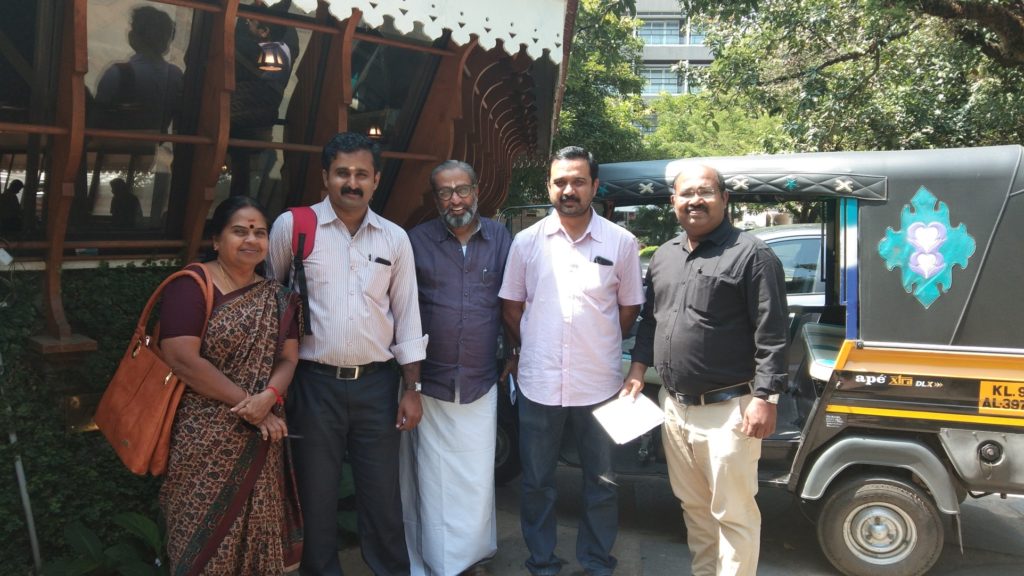
A glimpse of the book launch 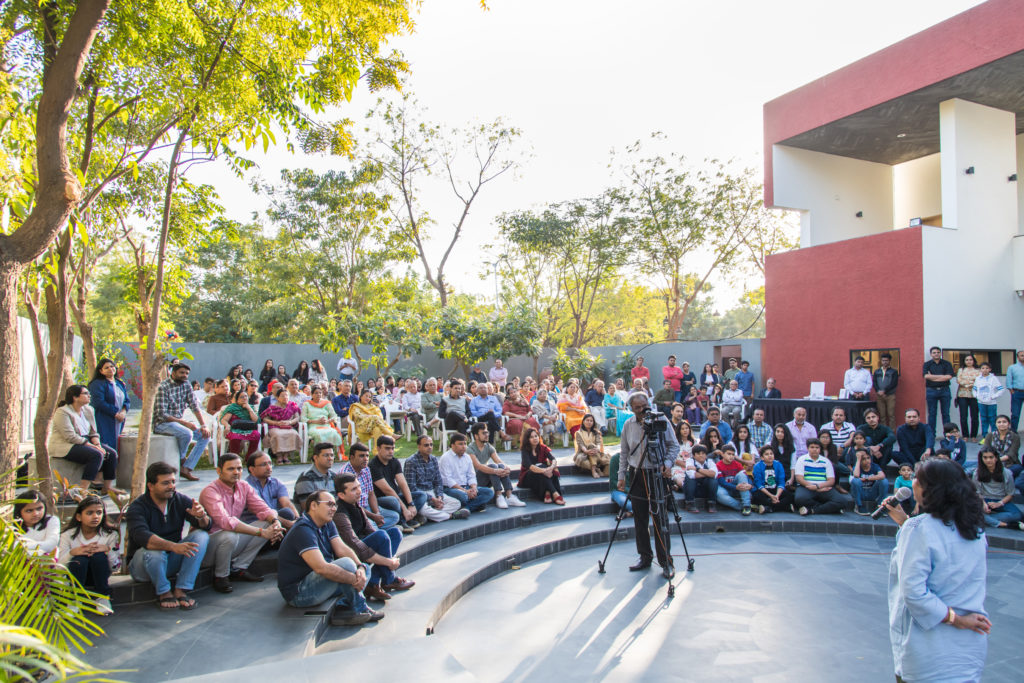
A glimpse of the book launch



 Notifications are exciting but can also be an unnecessary cause of stress. They constantly demand your attention and distract you from other tasks you may be engaged in. This can invariably result in you being glued to your device even when you don’t want to. Take control of your time and turn off all social media notifications so that you only check on your accounts when you specifically want to. This will go a long way in preventing you from getting sucked into mindless scrolling every time you receive a notification of a like, comment or new post.
 Lastly and most importantly, focus on living your real life! Devote more of your energy into meaningful relationships and activities that don’t require screens. Organise meet-ups with friends and loved ones, spend time in nature, work on being the best version of yourself. And of course, remember that you don’t need to share any of it on social media! Enjoy experiences without the pressure of wanting to share them with your followers. And even if you absolutely must post about your awesome life, try not to do it in real time at least. You can always post later (during your stipulated scroll time of the day)





 It may sound cliched but the ultimate key to a truly restful and happy holiday is some detailed planning beforehand. Set aside specific time to pack all your essentials and use a list to ensure you do not forget anything. Include all family members in the process so that you don’t end up on a paradise island only to realise someone forgot to pack their swimsuit!
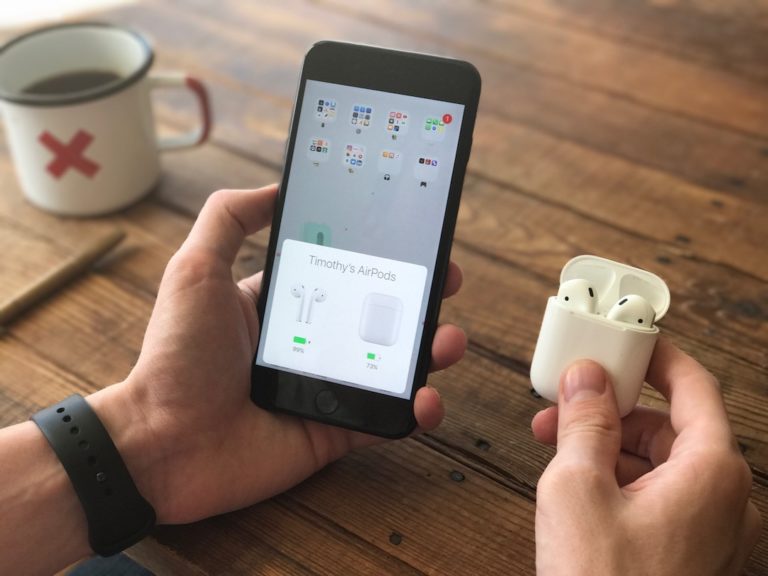 If you’re the more modern traveler and only carry soft copies of tickets and booking vouchers, be sure to leverage technology the right way and store scans of important documents in your email as well as internal storage of your phone or tablet. Load up your devices with your preferred entertainment, especially if you have young children who can easily feel restless on long flights, trains or road trips. Don’t forget to carry your earphones!
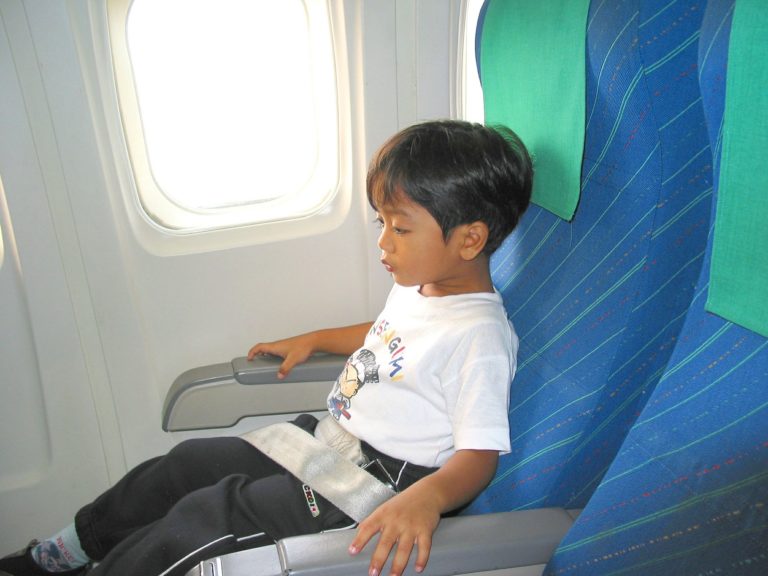 Allow young children to bring along a few home comforts such as a stuffed toy, reading books, or a portable music player. Additionally, carry along a small activity pack with items such as coloring pencils and books, card games, board games, hand held electronic games, puzzles etc. This will come in handy during long travel times when boredom and restlessness kick in.
 Video is a powerful medium to capture all the best moments of life and vlogging your way through your vacation can be a wonderful way to revisit it whenever you want to. Record footage of interesting activities you witness or engage in, the scenery you admire, and most importantly, your thoughts and feelings each day of the trip!
 Traveling with family can be stressful at times but remember that attitude is everything: no matter how much you plan and prepare, things can and will go wrong. Just go with the flow and everything will work out great. Treat your trip like one big adventure and any mishaps simply become small obstacles for you to overcome. Accept the possibility of hinderances such as delayed flights, lost luggage, illness, and homesickness. If unforeseen events happen, stay positive. Your children will learn important life lessons from watching you on this trip.
 The best and easiest way to stay cool is by eating delicious summery foods that help cool down your body naturally. Buy fresh local produce that is in season and opt for more salads, raw dishes, and no cook recipes. This will also reduce heat in the kitchen! Raw foods like cucumber and watermelon, as well as herbs like mint have an inherent cooling nature. Juice them up into delicious green smoothies that replenish your body with fluids to keep you hydrated and vitalised through the energy-sapping summer months.
 This summer, why not make a personal commitment to unplug more and reconnect with family and friends. Declare your independence from technology and you’ll subsequently save on electricity costs of constantly charging multiple gadgets. Instead of scrolling through social media every morning, take advantage of the sunlight and practice some yoga or exercise before the heat settles in for the day. Early morning sunlight is also the safest way to get your daily Vitamin D intake without exposing yourself to the harsher rays during the rest of the day. Think of ways to better enjoy nature despite the weather such as weekend hiking trips, evening walks or swimming sessions. Invite your family to join you to make it quality family time! Needless to say, stay safe in the sun using cotton scarves, hats or umbrellas, along with sunscreen lotion.
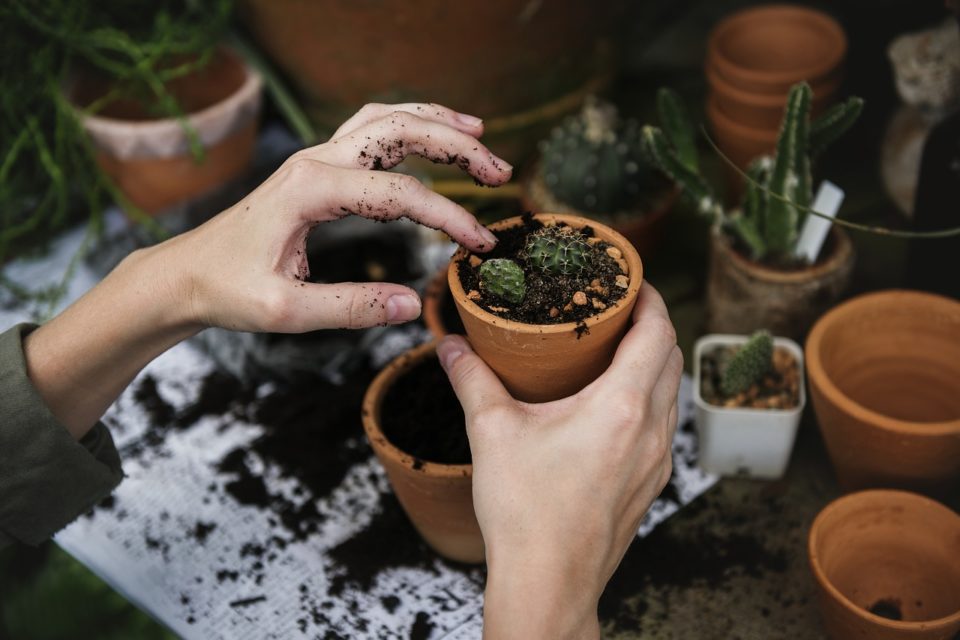 If you prefer staying indoors, liven up your space with indoor plants which act as living air purifiers and help fight indoor air pollution – an issue which is often worse than most of us realise. Plants have also been known to enhance mood and serve as beautiful decor elements.
 Before attempting to ‘hit the books’, let’s make an essential mindset shift. In their book The Mindful Way to Study, Jake and Roddy Gibbs point out that a lot of the phrases we use to describe studying are pretty violent, such as the one used at the start of this paragraph and others like “nail the test,” or “hammer it into our heads”. With the imagery those words bring to mind, it’s no wonder that studying doesn’t sound particularly appealing. Instead of viewing learning as a battle — you vs. the material — view it as a relationship. It’s you and the material. The Gibbs’ describe learning as a dance — the dancer engages with the music. A ballroom dance is an act of cooperation, not fighting. Learning is a joint venture, not a hostile takeover.
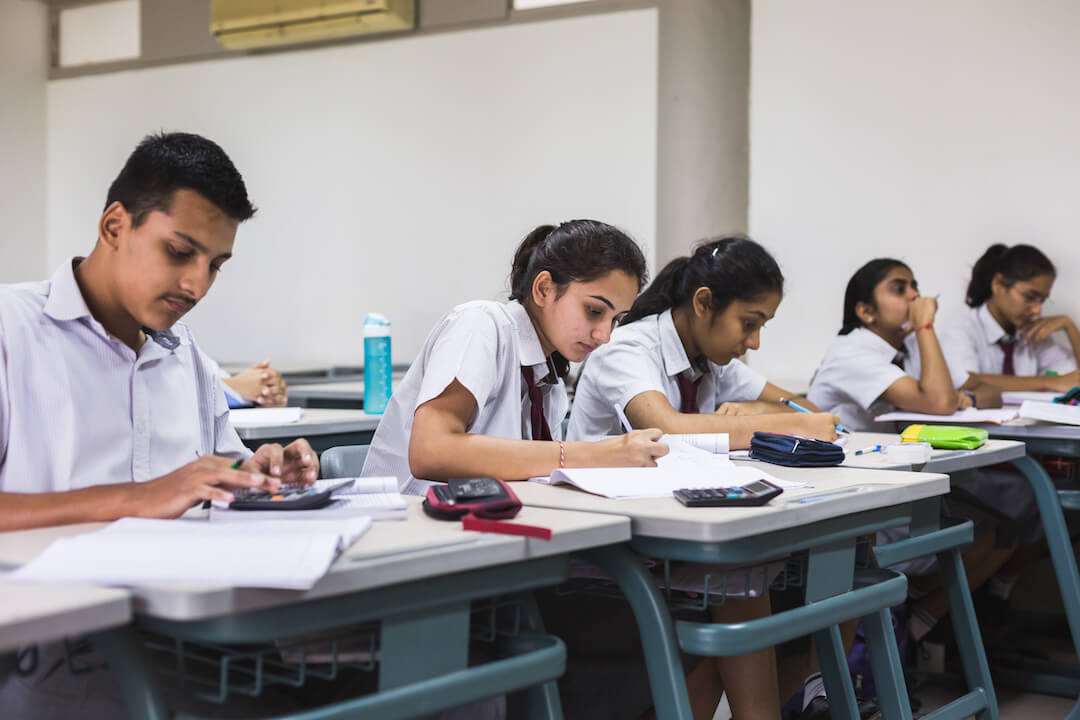 Before you sit down to study, spend a few minutes focusing on your breath, calming your mind, and cultivating your attention.Studies show that practicing mindfulness enhances our focus and concentration. Set yourself a timer for about 20 or 25 minutes, and each time that you find yourself distracted, try to notice when it has happened as early as you can. Then take a few more breaths and come back to your work. Remember that distractions are inevitable, so there is no need to become frustrated or impatient. As you practice mindfulness, you will have fewer distractions.
 As the way we learn changes and new technologies come to our aid, it’s useful to change study strategies. For instance, you may use an iPad to keep notes or watch a YouTube video to better understand a concept, but it’s essential to remember that some old-school strategies are timeless and. Two key ones you should definitely still use are flashcards and quizzing yourself. Try bleeding the old ways with whatever new ones suit you and remember to inculcate a mindfulness practice to strengthen attention and filter out distractions. Good luck!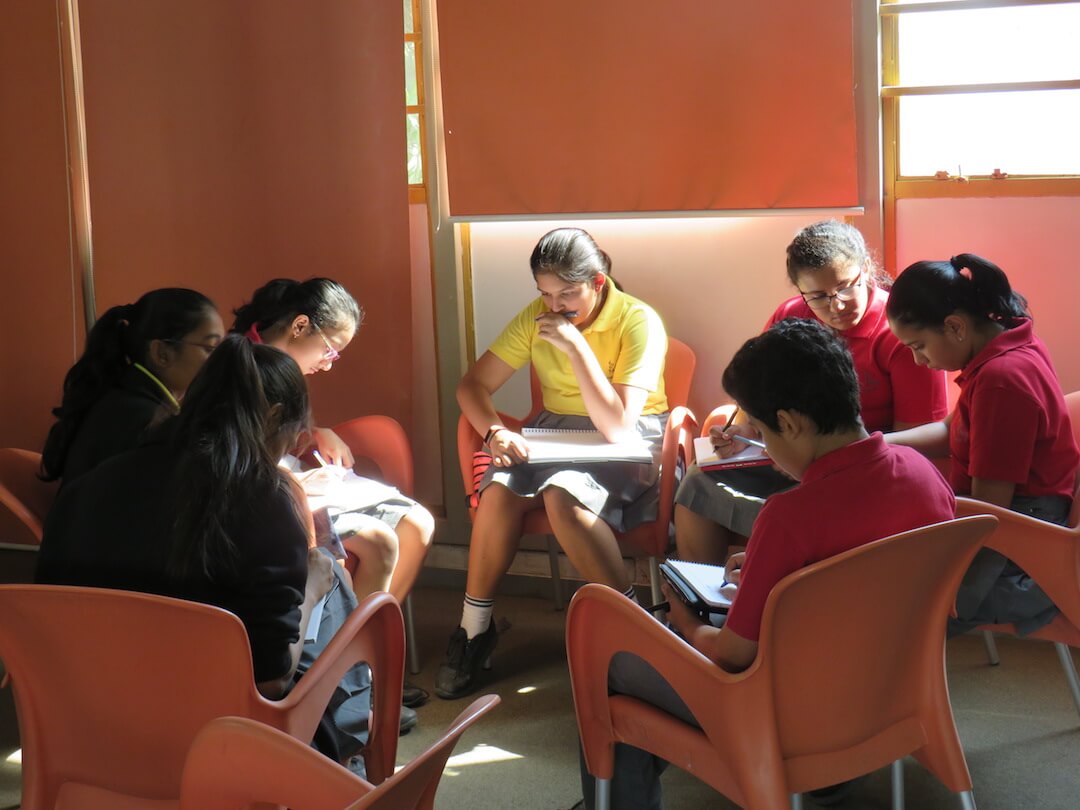
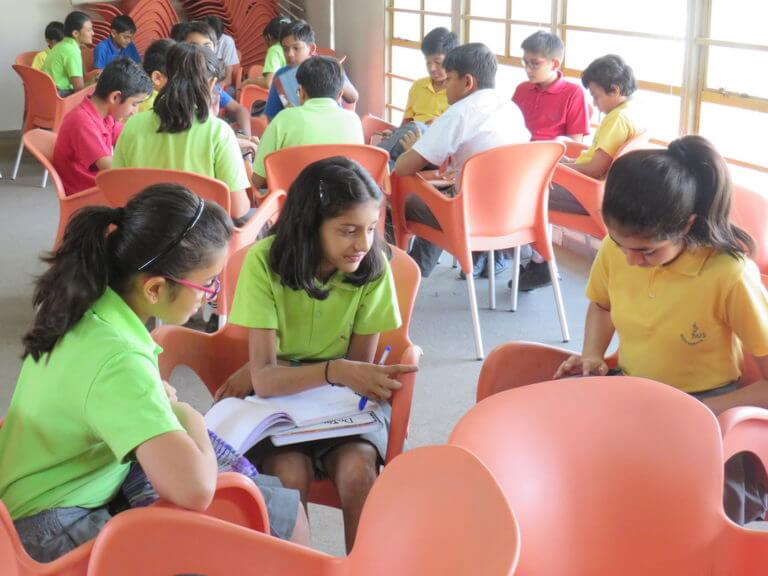 “Students work in groups to define a central idea that they would like to explore, as well as the lines of inquiry they will use to study the selected idea,” adds Ms Sheryl Shah who teaches the seventh grade. “Throughout the exhibition unit, students apply the skills and attitudes they have acquired over the course of their PYP journey to really take ownership of their learning and celebrate their knowledge,” she says.
  Culminating this initial preparatory phase, students participated in a solemn oath ceremony wherein they collectively pledged to work with responsibility and commitment throughout the exhibition.
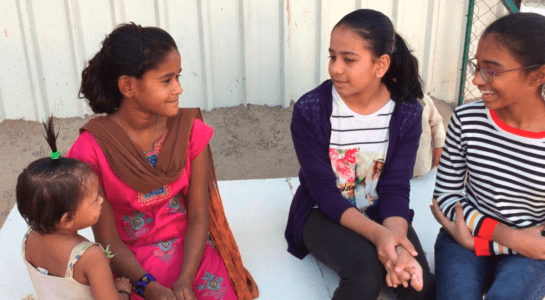 Each group conducted an in-depth study of an individual or organisation working on their selected issue to better understand the complexities involved. For instance, one group visited Saath, an organisation working to eliminate child labour.
 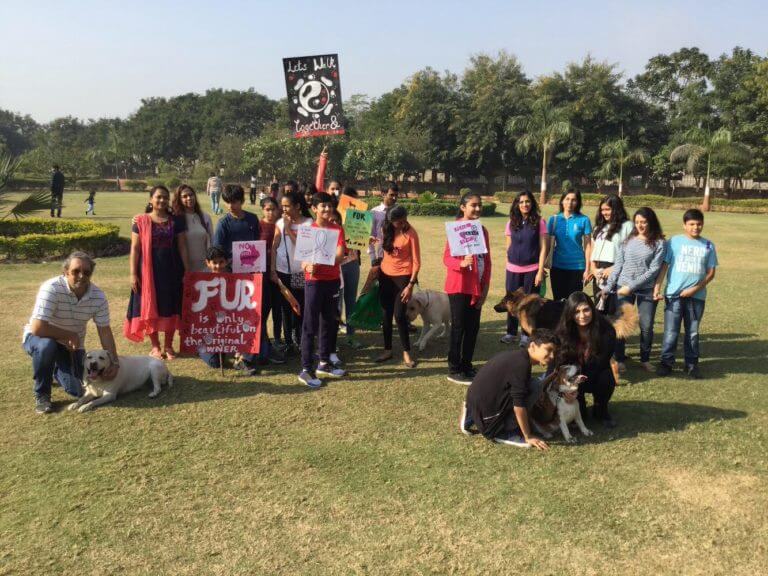 After identifying specific concerns within their chosen theme, student groups formulated action plans to make a real-world contribution to the issues they had chosen. These included targeted, measurable initiatives such as collecting clothes and other donations for those in need and organising a pet walk to raise awareness about animal rights.
 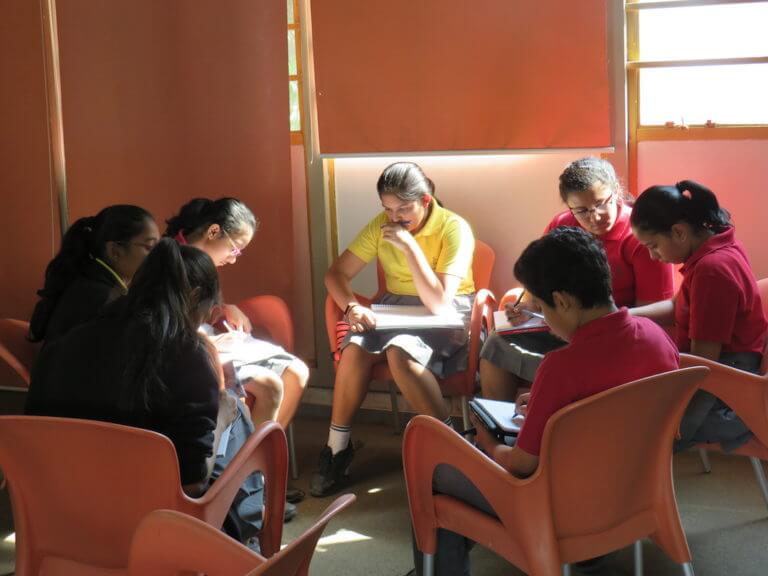 As a result of the unit, students become better learners in all areas and often find ways to enjoy and be more successful in areas that were previously viewed without enthusiasm. The highly-complex results require students to observe and analyse information from multiple perspectives, to see the big picture of teaching and learning, to apply their learning across a wide range of situations, and to change their mindset and behaviours over time. By the end of the PYP, students grow significantly as independent learners, and are able to plan and execute complex projects.

 Another French word, ‘flah-nay’ means to stroll, hang around, or wander. This year, slow down your life a bit and wander around the streets of your city to perhaps see them in a new light. Instead of constantly longing for expensive trips out of town, become a tourist in your own city and rediscover your favourite spots. While having a purpose and planning every minute of our day can largely be essential to productivity, a little bit of flaner can nurture the soul and help you lead a more content life.
  Ubuntu is an ethic or humanist philosophy focusing on people’s allegiances and relations with each other. Originating from the Bantu languages of South Africa, Ubuntu is the belief in a universal bond of sharing that connects all humanity. A person with Ubuntu is open and available to others, affirming of others, does not feel threatened that others are able and good, for he or she has a proper self-assurance that comes from knowing that he or she belongs in a greater whole and is diminished when others are put down, and uplifted when others succeed.